
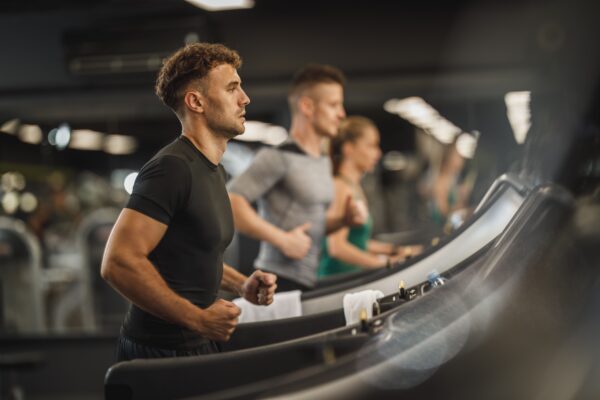
Autumn sports events have become an integral part of club culture within the cross-functional fitness sector. They combine training, teamwork and informal socialising. The Turkey Challenge is precisely this kind of event. The format combines intense physical exertion, group work and exercises designed for different fitness levels.
Such events are held in late autumn, when many sports clubs organise themed training sessions ahead of the festive season. Participants come not for competition in the usual sense, but to complete a series of tasks alongside other athletes. The programme includes elements of functional training, strength exercises, cardio workouts and team activities. This helps to make the training varied and maintain a high pace throughout the session.
How a cross-functional fitness workout is structured
Functional training remains at the heart of the Turkey Challenge. The programme is designed to engage different muscle groups simultaneously and maintain a high level of activity.
The workout includes:
- bodyweight exercises;
- endurance exercises;
- interval circuits;
- strength elements;
- cardio blocks;
- speed and coordination exercises.
A key feature of the format is the constant change in workload. Participants move from one exercise to the next with virtually no long breaks. This requires concentration and the ability to pace oneself.
Many exercises are based on teamwork. While one participant is performing an exercise, the others continue working at their stations. This approach helps maintain the intensity of the workout and makes the process more dynamic. Each block is usually followed by a short recovery phase. This helps prepare for the next set and maintain correct movement technique.
The team format as part of the training process

Working in groups is an important part of the Turkey Challenge. The team format changes the usual structure of the sessions. Here, the result depends not only on individual fitness, but also on the interaction between participants.
While performing the circuits, athletes share the workload, maintain the pace and help each other stay motivated. Simple exercises become more interesting when performed as part of a shared task.
Teamwork is particularly evident in endurance exercises. One participant finishes a set – the next continues without a break. Thanks to this, the training maintains a high pace throughout the entire event.
As well as improving physical fitness, events like this foster a lasting interest in regular exercise. People begin to see sport not just as a physical challenge, but as part of their everyday social life. After the Turkey Challenge has finished, many continue to take part in subsequent club events precisely because of the positive experience of teamwork.
What exercises are most commonly included in the Turkey Challenge
The programmes for such events may vary, but most of the challenges are based around basic functional movements. Organisers try to combine exercises in such a way as to incorporate different types of physical exertion.
Training routines often include:
- squats;
- lunges;
- burpees;
- jumping exercises;
- kettlebell work;
- core exercises;
- interval running;
- rowing machines;
- weight transfers;
- rope exercises.
Such combinations simultaneously develop strength, coordination and endurance. The intensity is adjusted according to the participants’ fitness levels. Particular attention is paid to movement technique. Under high-intensity conditions, it is important to maintain control over the exercises. Therefore, a detailed briefing is usually given before the session begins.
Many training sessions use time intervals. For example, participants work for a set number of minutes before moving on to the next station. This helps maintain the overall rhythm of the session.
Preparing for intense training
Although the Turkey Challenge is designed for participants of all fitness levels, it is still advisable to approach such events with a sense of responsibility. High-intensity activities require stamina and a basic level of physical fitness.
Most functional circuits place significant demands on the cardiovascular system. Therefore, beginners are usually advised to adapt to interval training in advance. Warming up is also very important. It helps prepare the muscles and joints for intense work. Without a proper warm-up, the risk of overexertion increases significantly.
After finishing a workout, it is important to focus on recovery. The body continues to adapt to the exertion for several hours after the session. Participants are therefore advised to rest and maintain a normal level of hydration.

The Role of Functional Training in Modern Fitness Culture
Cross-functional fitness continues to evolve as a discipline focused on all-round physical conditioning. Such training combines strength, endurance, speed and coordination. The Turkey Challenge demonstrates how functional training sessions can be transformed into a fully-fledged sporting event. Instead of monotonous workouts, participants are offered varied routines and the chance to work as a team.
Modern training formats are built around community engagement. It is important for people to attend classes and take part in group sporting events. This fosters more sustainable motivation and helps maintain a regular training routine.
That is why the Turkey Challenge continues to be a popular format among fans of functional fitness. It combines intense exercise, teamwork and a sporting atmosphere, which makes training sessions more engaging and memorable.
Why events like this remain popular
The Turkey Challenge remains a sought-after format thanks to its combination of sport, socialising and team dynamics. People not only get physical exercise but also become emotionally engaged in the process. Functional training sessions are highly varied. And themed events make them even more interesting. Each new circuit is perceived as a separate challenge.
The Turkey Challenge does not require a professional level of fitness. Most tasks can be adapted to suit participants’ varying abilities. This is precisely why the format continues to attract a wide audience. For many athletes, such events become an important part of the training season. They help maintain interest in training and make the sporting routine more dynamic.